Our quality
Where the kava comes from, how it is made, and the certificate for your batch.
The source
Kava from The Kava Society
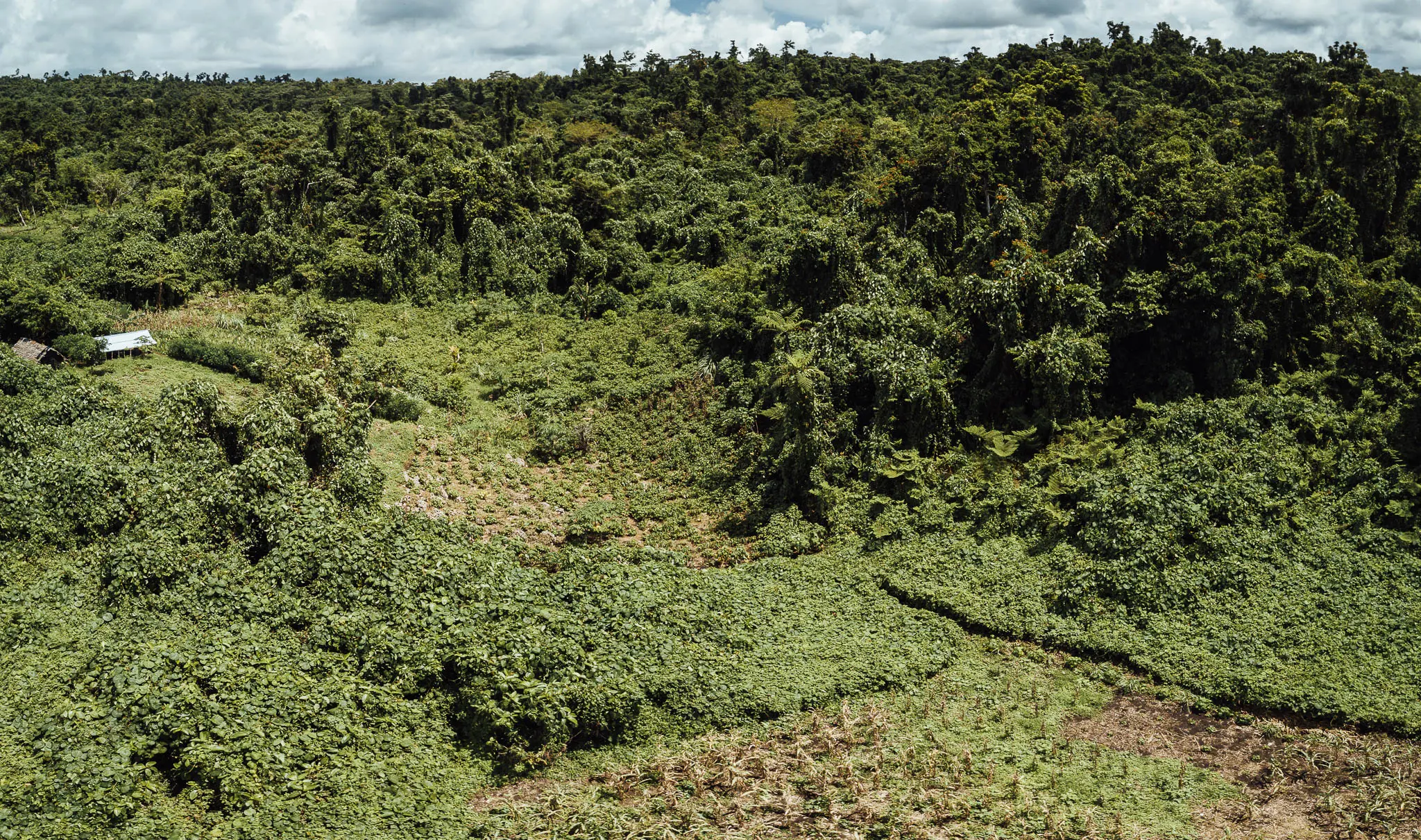
Kava Europe is the exclusive European distributor for The Kava Society in New Zealand and their Vanuatu partners, Root and Pestle. They work only with freshly harvested single-cultivar plants, and they have spent more than a decade choosing which cultivars to grow and how to process them. Regarded for years as New Zealand’s top kava supplier, their products meet all relevant New Zealand safety and quality standards and are sold across New Zealand.
Everything we ship is made from organically grown certified noble cultivars, processed directly from fresh root in certified facilities. In the EU it is sold as a natural textile dye and a botanical home fragrance.
What that means
Fresh root processing
Made directly from fresh root and dried under controlled temperature in certified facilities, not in the sun.
Tested and traceable
Botanical identity confirmed in the laboratory. Every batch traceable to a named cultivar and growing region.
One ingredient
Noble kava root and nothing else. No fillers, no additives, no extracts.
Every batch
Certificates of Analysis
It is common now for kava vendors to say their kava is tested, certified and noble, and to sell it under cultivar names. Those are the words buyers look for, so everyone uses them.
Try to verify them and the trail usually ends. Credible test results covering the batch actually on sale are hard to find. Evidence of a process that can confirm a cultivar is harder still, and so is any sign of a facility working to a recognised safety standard.
This is where our kava is different. Every Kava Society batch is numbered and tested on its own, and the certificate is published. The chemotype on it confirms the cultivar, and the microbiological results sit alongside it. The facility itself is HACCP certified.
The chemotype is the root’s chemical fingerprint. The root contains a family of compounds called kavalactones, and their relative proportions vary between cultivars and between batches. The chemotype is a six-digit code recording the relative abundance of the six major ones: desmethoxyyangonin, dihydrokavain, yangonin, kavain, dihydromethysticin and methysticin, in that order. A Bir Kar Instant certificate, for example, records a chemotype of 423156 with major kavalactones at around 7.81 percent of dry mass.
The database covers batches from March 2024 onward. We keep it as complete as we can, so please forgive any gaps. If a result is missing, contact us and we can usually send the raw data.
Find your Certificate of Analysis (COA)
Select your cultivar and type, then enter the date printed on your package, to open its Certificate of Analysis.
You will find this date printed on the base of the package.
Ready to order
Shipped from within the EU
Dispatched from Poland within two working days. No customs procedures or import charges inside the EU customs union.